This scenario of the second pilot highlights the potential of the FERMI platform as a set of tools to counter extremism-related disinformation and maintain public order at high-stakes events like the Eurotop summit in Brussels.
Event Overview
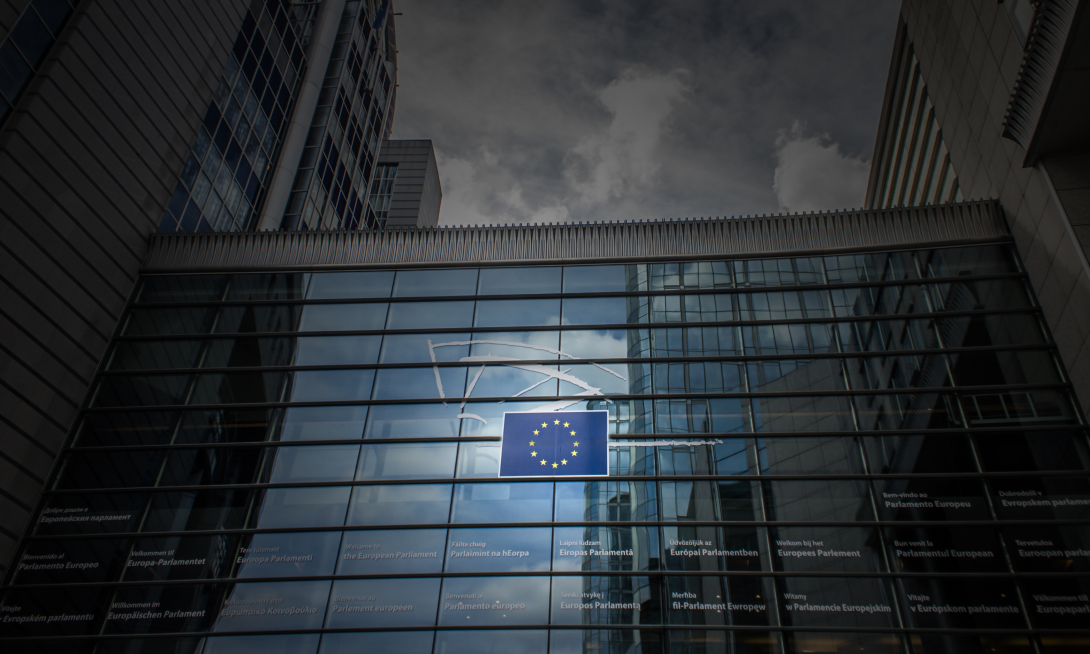
The European Union's Eurotop Summit is taking place in Brussels, in the presence of Heads of State, Heads of Government and senior officials from all EU Member States. This high-profile event attracts the attention of the media and public demonstrations, both for and against EU policies. Tensions are high, with demonstrations organised by far-left and far-right groups in the streets of Brussels, particularly near the summit venue.
Objective
The main objective of the Belgian police (federal and local) is to ensure public safety during the summit, which includes preventing any escalation of violence or extremist actions stemming from the spread of disinformation. The police must combat all disinformation campaigns that include illegal claims, especially those related to far-right and far-left extremist ideologies that incite violence.
Using the FERMI Platform
Step 1: Integration with social media monitoring systems
The Belgian Federal Police uses FERMI’s tool to scan and analyse social media platforms, media outlets, forums and encrypted communication channels. The programme developed under the FERMI project is configured to analyse key disinformation messages, including fake news, hoaxes, conspiracy theories and extremist rhetoric that could incite violence or disrupt public order. The platform can process posts by known extremist groups or accounts reported in previous investigations.
Step 2: Identify disinformation and extremist narratives
On the eve of the start of the Eurotop summit, the FERMI platform analysed several disinformation campaigns. These include:
- Far-right speech: False claims that EU leaders are conspiring to suppress national sovereignty in favour of a "new world order" at the Eurotop summit, including the misuse of Covid funds. The messages incite violence.
- Far-left narrative: Disinformation claiming that the EU is planning to implement harsh austerity measures at Eurotop that would disproportionately affect the working class across Europe, whilst misusing Covid funds, as they please. The messages incite violence.
The FERMI platform traces their interactions, revealing a coordinated effort by fringe groups on both sides to amplify these messages.
Step 3: Profiling potential threats
Threat assessment is at the heart of this pilot. The FERMI platform grasps the sentiment of the relevant social media messages (through the Sentiment Analysis module), which reveals a broadly negative atmosphere amongst the social media users whose accounts are investigated. Moreover, the Dynamic Flows Modeller and the Swarm Learning framework estimate the evolving crime landscape with regards to assault, property damage, disorderly conduct and theft. Such criminal activities might include
- an increase in violent activity by far-right sympathisers in some areas of Brussels, suggesting the possibility of a clash with far-left protesters near the summit venue;
- coordinated calls from far-left groups on messaging apps urging followers to "disrupt the summit" by staging confrontations with law enforcement.
Step 4: Alert law enforcement and coordinate the response
Based on the results of the FERMI platform’s above-mentioned tools, the Belgian Federal Police receives alerts in real time. The information is broken down as follows:
- Key locations: Hot spots for protests and potentially violent clashes.
- Social media influencers: Individuals spreading extremist disinformation that can inspire their followers to take action.
- Fake news trends: False narratives that need to be countered with fact-checking initiatives or public statements by authorities.
Police use this intelligence to adjust their security measures, placing additional officers near high-risk areas and using this information to inform key personnel in real-time.
Step 5: Public Information Campaign
In response to the identified false narratives, the Belgian Federal Police is collaborating with local government authorities to launch a public information campaign aimed at debunking the disinformation spread by extremists. This includes:
- Fact-checking: Articles published on official government websites and by trusted media outlets.
- Press conferences to respond directly to false allegations and reassure the public about the EU's commitment to democratic values.
- Social media posts debunking the most popular disinformation narratives, such as the unsubstantiated conspiracy theory about the "new world order" and the misuse of Covid funds.
Step 6: Continuous monitoring during Eurotop
During the summit, the FERMI platform is fed with further extremist rhetoric requiring investigations. For example, if a protest turns violent at the encouragement of social media messages, the platform quickly analyses the spread of such messages, whether those are the result of human- or bot-operated accounts, the influence thereof and the sentiment of the messaging. Eventually, the future crime landscape is estimated, so one can alert the authorities. The FERMI also assesses the impact of disinformation and proposes countermeasures, if necessary, giving police the ability to neutralise online narratives before they have a physical impact.
Result
Belgian police managed to prevent a large-scale clash between far-left and far-right groups at the Eurotop summit. Through rapid responses based on the FERMI platform’s analysis, authorities have been able to contain the spread of extremist disinformation and mitigate potential violence. The information shared with the public helped counter extremist narratives and the police remained ready to deal with any emergency situation, ensuring the safety and security of the summit.